Will MOT (Review and Update)
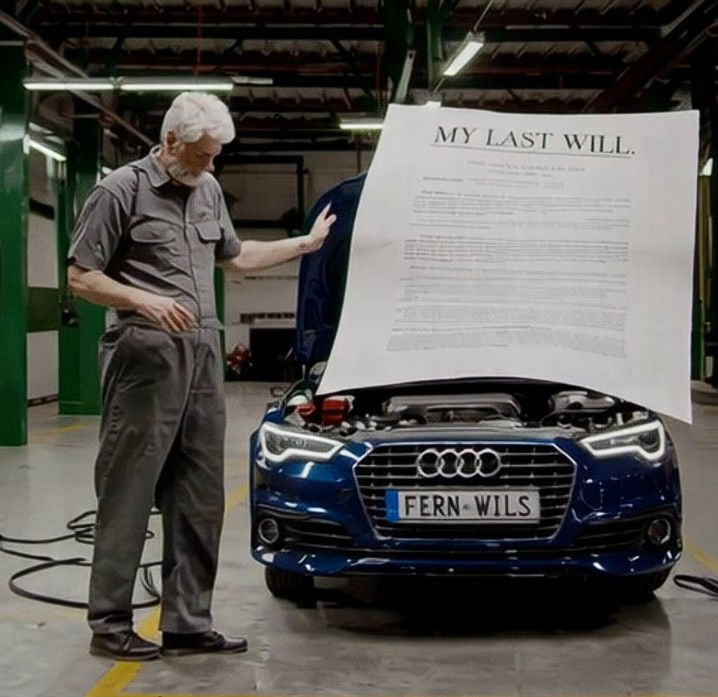
Last verified: September 2026 (England & Wales)
Most people sign a Will, file it away, and assume it will still do the right thing years later.
Then life changes. Relationships evolve. Children grow up. Assets and property ownership change. Tax rules move. Executors move away or become unwell. The Will still exists, but it is no longer clearly aligned to the life you live now.
A Will is only useful if it still fits your family, your assets, and your wishes, and can be used smoothly when it is needed.
Quick-read summary
- A Will MOT is a structured review of whether your Will still reflects your wishes and works for your current circumstances. We identify legal and practical issues and explain any next steps.
- If you have a Letter of Wishes, we review it alongside your Will so that the two documents support the same intentions.
- We check whether your executors, who administer your estate, and any trustees, who manage assets held in trust, remain suitable. Where relevant, we also review your choice of guardians for your children and how these appointments are made.
- We check your assets, property ownership, gifts and residue, meaning what remains after debts, expenses and specific gifts, against your intentions.
- You receive a short written report showing a clear outcome: Pass, Advisory or Fail, plus next steps.
- If anything needs attention, the solution is usually a fresh Will rather than patching an old one.
- If you also have Lasting Powers of Attorney (LPAs), it often makes sense to review those at the same time. See: LPA MOT: Lasting Power of Attorney Review
Why a Will MOT matters
Your Will is the engine of your estate plan. It controls who inherits, who is in charge, and how your estate is handled after you die.
A Will can be legally valid and still be a poor fit for your life now. That is where problems start. Not always dramatic problems, but real ones: delays, avoidable arguments, tax inefficiency, gifts that no longer make sense, and outcomes that do not match what you would choose today.
A Will MOT gives you a clear answer, in writing, on whether your Will still works as intended.
Even a clear pass is valuable, because it evidences regular review and gives you confidence that you are not relying on an out-of-date document.
What a Will MOT checks
We review your Will against your current wishes and circumstances, looking for legal and practical issues in the documents and information you provide. If a concern needs specialist advice or further evidence, we explain the next step.
We cover:
1. Your people
- Are your executors and trustees still the right choices and still able to act?
- If you have children, are guardians still appropriate and realistically available?
- Are replacements in place so the plan still works if someone cannot act?
2. Your assets and outcomes
- Does the Will still cover what you own now, including any new assets or changes in value?
- Do gifts, percentages, and the residue still match your real wishes today?
- Are there any obvious gaps, overlaps, or accidental winners and losers?
3. Your home and ownership
- Is your property ownership consistent with what your Will is trying to achieve?
- If your home is owned jointly, is the legal ownership structure likely to deliver the outcome you expect?
- If there are trust elements, do they still fit your goals and family situation?
4. Trusts and protection (where included)
- If your Will includes trust planning, does it still make sense for your needs now?
- Are the trustee powers and practical controls workable?
- Are you relying on “protection” where the reality is more nuanced?
Many “protective” outcomes depend on how the survivor’s life unfolds. Good drafting can offer some protection in the right scenarios, but it is never absolute.
5. Your Letter of Wishes (if you have one)
A Letter of Wishes is not legally binding, but it is often highly influential. We check that it supports the Will rather than quietly pulling in a different direction. We look for:
- Consistency with the Will’s structure and logic
- Clear intent on personal items, family sensitivities, and practical wishes
- Anything that is now outdated or likely to cause confusion
How the Will MOT works
- You share your current Will (and any Letter of Wishes).
- We run a structured review against your current circumstances and common risk areas.
- You receive a short written report showing one of three outcomes: Pass, Advisory, or Fail.
- If changes are recommended, we explain what and why, and outline the simplest next step.
If your Will is fit for purpose, you are done. If it is not, the cleanest solution is usually a fresh Will that fits your life now and the foreseeable future.
In most cases, replacing a Will is clearer and safer than trying to patch an old document.
What the outcomes mean
Pass, Advisory and Fail are Fern’s review labels, based on the documents and information available at the review date. A Fail does not necessarily mean that your Will is legally invalid.
PASS Your Will looks fit for purpose and workable. We confirm the review date and suggest a sensible next MOT interval.
ADVISORY Your Will is broadly workable, but we flag improvements, risks, or review triggers to keep on your radar. This is often where a Will is technically fine, but could be sharper, clearer, or more resilient.
FAIL Your Will is no longer fit for purpose for your needs now, or is likely to cause problems when used. We explain why, and what a replacement Will would need to achieve.
Practical checklist: is it time for a Will MOT?

Contact Fern if any of the following apply. We can help you decide whether a Will MOT, a simple file update or another step is appropriate.
- Your Will has not been reviewed for three to five years.
- You are planning a marriage or civil partnership, have separated or divorced, or have begun a new long-term relationship.
- You have had or adopted a child, become a grandparent, or taken on responsibility for someone vulnerable.
- A beneficiary has died, lost capacity or developed different needs, or an executor, trustee or guardian is no longer suitable or available.
- You want to change who inherits, how much they receive or when they receive it, or discuss protection for your family.
- You have moved home, bought or sold property, changed its ownership, taken on a new mortgage or received a significant inheritance.
- You have made or are planning substantial lifetime gifts that could affect what remains for the beneficiaries of your Will.
- An item or property mentioned in your Will has been sold, lost, replaced or changed significantly in value.
- You have started or closed a business, or changes to your pensions, life insurance, investments or other finances may affect your wider estate plan.
- You have acquired assets abroad or made or changed a Will in another country.
- Your Letter of Wishes no longer reflects your priorities, or you have not reviewed it for some time.
- Names or contact details have changed, you cannot locate your signed original Will, or your executors may not know where it is stored.
Sometimes no document change is needed. A short message explaining what has changed is enough to start the conversation.
Keep a reminder with your papers: our “When to contact Fern Wills & LPAs” checklist covers changes affecting your Will, LPAs and practical records.
Download the When to contact Fern Wills & LPAs checklist (PDF)
What to consider before you update anything
A Will MOT is not about “more complex is better”. It is about fit.
It helps to be clear on:
- Who you want to be in charge (executors) and why
- Who you want to benefit, in what proportions, and in what order
- What should happen if a beneficiary dies before you
- How you want to treat children from previous relationships, or unequal family needs
- Whether your home needs special handling (for example to protect the survivor while keeping inheritance on track)
- Whether any gifts are now outdated, unfair, or too rigid
- Whether your Letter of Wishes still supports the plan cleanly
If you have a Will and a Letter of Wishes, review them together. An outdated Letter of Wishes can cause avoidable confusion even when the Will’s wording is clear.
How this links to your LPAs
Your Will takes effect after death. LPAs are used while you are alive and must be registered before use. A Property and Financial Affairs LPA can usually be used with your permission while you can make your own decisions, and can continue to be used if you lose that ability, subject to its terms. A Health and Welfare LPA can only be used when you cannot make the relevant decision yourself.
Life events that affect your Will often affect your LPAs too. If you have not reviewed both, you can end up with a plan that is partly modern and partly out of date.
See: LPA MOT: Lasting Power of Attorney Review
For pricing see: Will & LPA MOT (Services & Fees)
Illustrative examples
These illustrative examples show the kinds of issue a review can identify and how an early review may help.
A Will that still benefits an estranged spouse
Someone separates but leaves an existing Will unchanged. Reviewing it while they can still make a Will creates an opportunity to check whether the gifts and appointments reflect their current wishes.
An executor who may struggle to act
A sole executor develops health problems. A review can help the Will-maker consider suitable appointments and replacements before the estate needs to be administered.
A Letter of Wishes that no longer matches the plan
A parent updates their Will but retains an older Letter of Wishes with different guidance about personal items or family priorities. Reading both together can identify the inconsistency and help the parent clarify what they now want.
A home whose ownership does not match the Will
A Will contains plans for a share of the family home, but the ownership arrangements may mean that the property passes differently. A review can flag the mismatch and identify whether specialist property advice is needed.
Gifts that no longer achieve the intended balance
A Will leaves a fixed sum to one child and the remaining estate to others. Changes in asset values or substantial lifetime gifts can alter the balance. A review can help the parent decide whether the wording still reflects their intentions.

Does a Will MOT mean my Will is definitely “perfect”?
A Will MOT gives you a structured review, a written outcome and clear next steps. It can identify problems before they affect your family, but it cannot guarantee that a Will will never be challenged or confirm facts that the available evidence does not establish.
If my Will is “valid”, why would it fail an MOT?
Because validity is not the same as fit. A Will can be legally valid but outdated, unclear, or likely to cause avoidable delay, cost or conflict.
Do you update Wills or replace them?
In most cases we recommend a fresh Will rather than patching an old one, because it is clearer, safer and easier to rely on. If a smaller change is appropriate, we will explain the options and risks.
Do I need to MOT my Letter of Wishes separately?
No separate review is needed if we are reviewing your Will. If you have a Letter of Wishes, include it so we can check that it remains consistent with your plans.
How often should I MOT my Will?
We recommend reviewing your Will every three to five years and after a major life event. If anything material has changed, contact Fern sooner. A review does not automatically mean you need a new Will.
Next steps
- Locate your current Will and any Letter of Wishes, and note any major life changes since you signed them.
- If you already suspect your Will is outdated, write down the outcome you want now, in plain English.
- Read the related LPA check if you have LPAs too: LPA MOT: Lasting Power of Attorney Review
- See current MOT pricing, then contact Fern to arrange a review.
This article is general information only, not individual advice.