Who Will Look After Your Pets?
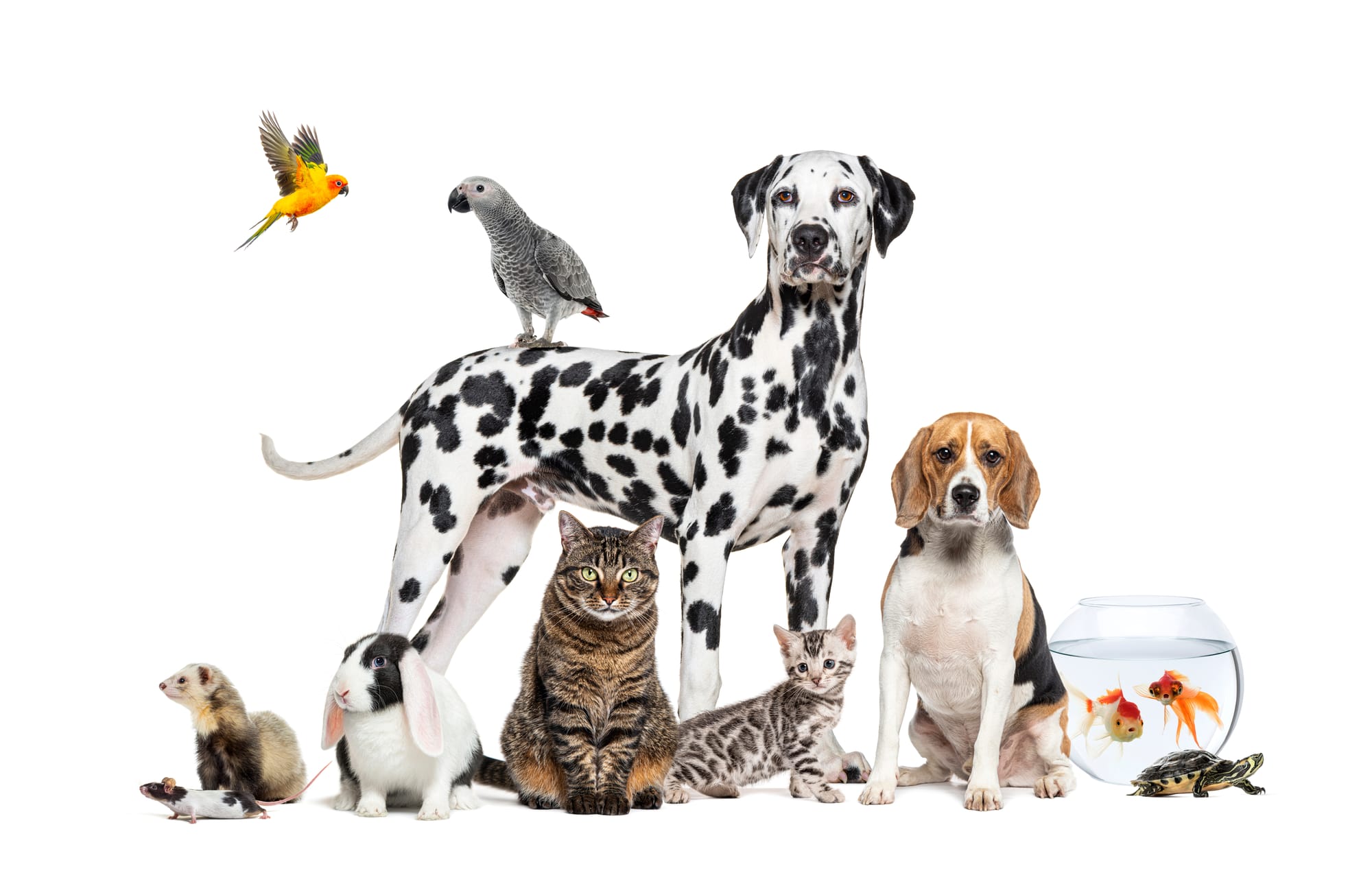
Last verified: June 2026 (England & Wales)
For many people, pets are not “just animals”. They are companions, family, and part of the household.
But pet planning is not only about what happens after death. It is also about what happens if you are alive but suddenly cannot get home because of an accident, illness, hospital admission, or loss of capacity.
Who would feed them? Who has a key? Who knows the routine? Who could check the fish tank, filter, heater, pump, food, medication, or emergency vet details?
The good news is that clear, sensible planning can cover both moments: practical care during your lifetime if you cannot act, and Will-based arrangements after your death.
Quick-read summary
• Yes, you can provide properly for pets in your Will.
• No, pets cannot inherit money directly, so the Will focuses on who will care for them and how.
• Most arrangements are handled with clear Will wording plus a short Letter of Wishes.
• You can name a first-choice carer, a backup, and even a charity option.
• You can also include financial support for food, insurance, and vet care.
• If your pets change over time, the wording can still work without constant updates.
• If a named pet dies before you, that does not mean your whole Will needs updating. That part of the wording can simply become irrelevant while the rest of the Will continues to work.
• Planning should also cover incapacity during your lifetime, including who can get into your home and follow your pet-care instructions if you are suddenly unable to do it yourself.
What if I am alive but cannot look after them?
Most pet-planning articles focus on what happens after death. In real life, the first problem may come earlier.
A fall, accident, sudden illness, hospital stay, or period of lost capacity can leave pets needing care before your Will is ever relevant. For dogs and cats, that might mean food, medication, letting them out, or getting them to a vet. For fish tanks and aquariums, the risks may be different: feeding, filters, heaters, pumps, water quality, power supply, and knowing what not to touch.
That is why the practical plan matters as much as the legal wording. Someone should know:
• how to get into your home
• where food, medication, equipment, and emergency details are kept
• who your vet is
• who understands any specialist care, such as an aquarium or exotic pet
• what short-term costs they can reasonably incur
Your Will deals with what happens after your death. During your lifetime, clear practical records, trusted contacts, and where appropriate your LPAs can help the right people step in sooner.
Practical point: a good pet plan is not just “who gets the pet?” It is “who can get in, what do they need to know, and how quickly can they act?”
An important but often surprising point
Pets cannot inherit money or property directly.

So we are not talking about dogs with gold-plated bowls or cats being served salmon and caviar by personal chefs.
Instead, your Will sets out:
• who should care for your pet
• what financial support (if any) should go with them
• and what should happen if circumstances change
Key point: pets cannot inherit directly, but you can make very clear, practical arrangements for their care through your Will.
Practical, Will-based options that work in real life
Most people do not need anything complicated. The arrangements below cover the vast majority of situations.
1) Choosing the right person (and a backup)
You can name:
• a first-choice person to care for your pet
• a substitute if they cannot do so at the time
This matters more than people realise.
Someone may love your dog dearly, but their life circumstances might change. Moving home, new children, health issues, or work commitments can all make caring for a pet impractical later on.
A simple upgrade that avoids problems later: name a first-choice carer and a backup, so nobody feels forced into a situation that is not right for them or for the animal.
2) Named pets or “any pets I own”
Some people worry that if a pet is elderly, it may not be worth including them in a Will.
In practice, the wording can cover:
• a named pet, and
• any pets you own at the time your Will takes effect
This avoids constant updates and ensures new pets are not accidentally left out. It also means that if a named pet sadly dies before you, you do not normally need to update your Will for that reason alone. That part of the wording can simply stop being relevant, while the rest of the Will continues to work.
Future-proofing: wording can cover your current pet, any pets you own at your death, and the possibility that a named pet may no longer be alive by then.
3) Removing guilt and pressure
A common concern is not wanting someone to feel morally trapped.
For example, a child or friend may feel obliged to take a pet even if it is not suitable for their living arrangements.
A short Letter of Wishes can make your intentions clear:
• the pet’s welfare comes first
• no one should feel guilt or pressure
• alternative arrangements should be used if needed
This single step often prevents emotional difficulty later.
4) Financial support for care and vet bills
Pets cost money. Food, insurance, and vet care can be significant, especially as animals age.
You may choose to:
• leave a gift outright to the person caring for your pet, or
• make the gift conditional on them taking on that responsibility
Either approach can work, depending on the situation.
5) Kindness at the end of life

Many people worry about what happens if a pet’s quality of life declines.
While a Will itself should not become overly detailed, a Letter of Wishes is an ideal place to record your views, including guidance about comfort, dignity, and where kindness matters most.
This can release the carer from painful indecision and help them act in the animal's best interests, supported by professional veterinary advice.
What if no suitable person can care for my pet?
If there is no appropriate individual, you may choose a recognised animal charity or “home for life” scheme.
You can also leave a donation to that charity.
Important to understand:
If you leave money to a charity, it will usually go into the charity’s general funds. It cannot normally be ring-fenced exclusively for one named animal.
That said, your pet will still benefit from the charity’s care, alongside the support provided to other animals.
A brief technical note

In limited circumstances, English law allows the creation of a purpose trust (a trust of imperfect obligation) for the upkeep of specific animals. These trusts are usually time-limited and are only appropriate in particular situations. Often, that time limit is 21 years, which is one reason this structure is relatively uncommon and not usually needed for everyday pet-planning.
Most families do not need this level of structure. A well-drafted Will clause plus a clear Letter of Wishes is sufficient in the majority of cases.
The same narrow legal category also applies to trusts for monuments and gravestones.
FAQs

Can I leave money directly to my pet?
No. Pets cannot inherit directly. Instead, your Will leaves the pet (and any supporting gift) to a person or organisation.
What if the person I named cannot take my pet at the time?
This is why naming a backup is so important. It avoids rushed decisions and uncertainty for your executors.
Should I name my pets, or write “any pets I own”?
Often, the best approach is both. It keeps the Will personal and practical without needing constant updates.
What if my pet dies before I do?
No harm is done. You do not normally need to update your Will just because a named pet has died. That part of the wording can simply become irrelevant, and the rest of the Will works as normal.
Is a Letter of Wishes legally binding?
No, but it is extremely useful. It allows you to guide care, routines, and difficult decisions without over-complicating the Will itself.
If my pet goes to a charity, can I leave money just for them?
You can leave a donation to the charity, but it will usually support all animals in their care rather than being reserved for one specific pet.
What happens next
Putting sensible arrangements in place for your pets is usually straightforward, but it makes a significant difference.
We will:
• talk through your pets and their needs
• help you think through first choices, backups, and contingencies
• draft clear, practical wording
• • and guide you on whether a supporting Letter of Wishes would help.
It is not about over-engineering.
It is about doing the kind, sensible thing, so the people you trust can do right by the animals you love.
If you would like help making or updating your Will, we are here to guide you through it carefully and professionally.


